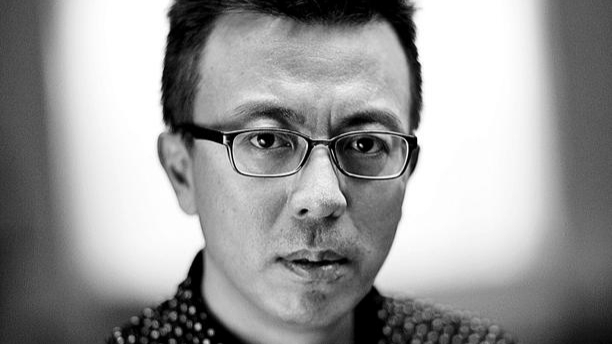
Liu Xiaodong
Introduction
Liu Xiaodong is a prominent Chinese artist celebrated for his realistic and immersive painting style that captures the nuanced and evolving landscapes of society. Known for his acute observation and depiction of social changes, Liu's work reflects the impact of cultural conflicts, migration, and the personal livelihoods of individuals in rapidly changing environments. His art often intersects with significant social movements and events, lending a narrative quality to his pieces that resonate with global audiences.
Early Life and Education
Liu Xiaodong was born in Jincheng, a subdistrict of Jinzhou, Liaoning province, China. His early environment, marked by the industrial backdrop of a paper mill town, played a formative role in shaping his artistic perspective, infusing his work with the themes of community and personal history. Liu pursued formal education in the arts, which would lay the foundation for his distinctive style. He developed his craft at the Central Academy of Fine Arts in Beijing, where he honed his skills in realism and expanded his thematic focus to explore broader social and cultural narratives.
Artistic Career
Style and Techniques
Liu Xiaodong is renowned for his realist approach, characterized by loose brush strokes and layered compositions that convey both the physical and emotional landscapes of his subjects. His works are often painted en plein air, underscoring the immediacy and authenticity of his artistic process. Liu's paintings are imbued with a narrative sensibility, capturing the everyday lives and intimate moments of people against the backdrop of broader societal transitions. His use of oil paints and watercolors allows him to explore a range of subjects with both poetic and documentary precision.
Major Works
Liu Xiaodong's body of work includes several notable series and individual paintings that have garnered critical acclaim. His series Hometown Boy delves into the lives of residents in his hometown, intertwining personal memories with the changing socio-economic landscape. Another significant series, Your Friends, features portraits of close acquaintances and family members, exploring themes of aging, intimacy, and personal history. Through his realistic portrayal of individuals and communities, Liu offers a poignant commentary on the human condition amidst societal change.
Exhibitions
Solo Exhibitions
Liu Xiaodong has held numerous solo exhibitions around the world, showcasing his ability to capture the zeitgeist of various cultures and communities. One of his notable exhibitions, Liu Xiaodong: Your Friends, was held at UCCA Edge in Shanghai, presenting over 120 works that reflect his deep connections with family and friends. This exhibition featured both new and retrospective pieces, providing insight into Liu's evolving artistic journey. His earlier solo show,Hometown Boy, at the UCCA Center for Contemporary Art in Beijing, marked a pivotal moment in his career by highlighting his personal and artistic roots.
Group Exhibitions
Liu Xiaodong has also participated in various group exhibitions that celebrate contemporary art and its diverse expressions across the globe. His work has been featured in thematic exhibitions such as The Artist's Voice at Beijing's Parkview Museum, which aimed to illuminate the personal visions of artists from different cultural backgrounds. These group exhibitions have allowed Liu to both collaborate with other artists and contribute to a global dialogue on art and its role in reflecting societal values and changes.
Awards and Recognition
Liu Xiaodong has received numerous accolades throughout his career, affirming his status as a leading figure in contemporary art. His ability to portray the complexities of human experience with empathy and insight has earned him recognition from both art critics and the public. His contributions to the field of realism and his innovative approach to documenting social realities have solidified his reputation as a pioneering artist in China and beyond. Liu's work continues to inspire and engage audiences worldwide, underscoring the universal themes of identity, community, and transformation.








